What to Know About Rhinoplasty in Islamabad Beforehand?
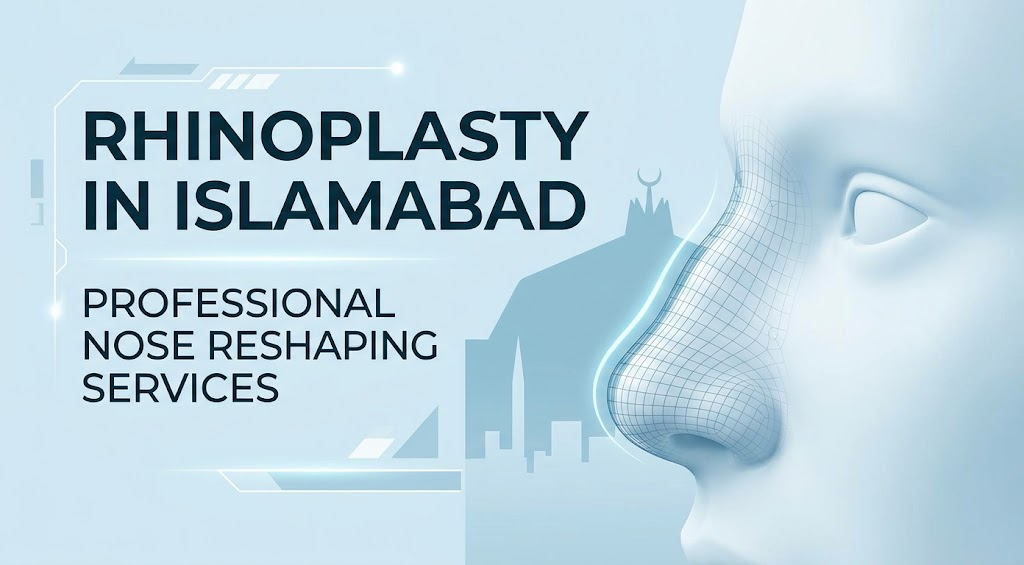
Rhinoplasty is a cosmetic and reconstructive procedure designed to change the shape, size, or proportions of the nose. It can also improve breathing when structural problems affect the nasal airway. In Islamabad, interest in rhinoplasty has grown because surgical techniques can create balanced results while addressing functional concerns. The procedure is highly individualized, so a successful outcome begins with a consultation, realistic expectations, and a treatment plan based on facial structure rather than a standard nose shape.
Understanding Rhinoplasty
Rhinoplasty may involve reshaping the nasal bones, cartilage, tip, bridge, nostrils, or septum. Some patients seek surgery for cosmetic reasons, while others have difficulty breathing because of a deviated septum, previous injury, or another structural issue. In certain cases, cosmetic and functional goals can be addressed during the same operation. The surgeon evaluates the nose in relation to the forehead, cheeks, chin, and facial proportions before recommending an approach.
There are several techniques, including open and closed rhinoplasty. Open surgery uses a small incision across the tissue between the nostrils, allowing greater visibility during complex reshaping. Closed rhinoplasty uses incisions inside the nostrils and may be suitable for cases. The appropriate method depends on the desired changes, anatomy, previous surgery, and surgeon’s assessment.
Why People Choose Rhinoplasty in Islamabad
People consider rhinoplasty for many different reasons. Some want to reduce a prominent bridge, refine a broad or rounded tip, narrow the nostrils, straighten a crooked nose, or improve facial symmetry. Others pursue surgery after an injury has changed the appearance or function of the nose. A good treatment plan focuses on creating harmony rather than making the nose look disconnected from the rest of the face.
Choosing Rhinoplasty in Islamabad can also give patients access to consultations, surgical facilities, and follow-up care in one location. However, location should never be the only factor. Patients should investigate the surgeon’s qualifications, experience with rhinoplasty, surgical facility, before-and-after results, and approach to patient safety. A consultation is essential before making a final decision.
Consultation and Treatment Planning
The consultation is one of the most important stages of rhinoplasty. The surgeon normally reviews medical history, previous nasal surgery, allergies, breathing concerns, medications, and aesthetic goals. The nose and surrounding facial structures are examined carefully. Patients should openly explain what they dislike about their nose and what they hope to change, while understanding that anatomy places limits on the result.
During planning, the surgeon may discuss photographs, possible techniques, anesthesia, recovery, risks, and expected changes. Digital imaging can sometimes help communicate possibilities, but it should not be treated as a guarantee of the final result. Patients should also disclose smoking or vaping habits and any medications or supplements because these factors can influence healing and surgical preparation.
The Rhinoplasty Procedure
Rhinoplasty is usually performed under anesthesia in an appropriately equipped surgical facility. Depending on the treatment plan, the surgeon reshapes bone and cartilage, adjusts the nasal tip, corrects asymmetry, modifies the bridge, or addresses the septum. Some patients may require grafting with cartilage to provide support or achieve a specific contour. The procedure can vary considerably in complexity from one patient to another.
The duration depends on the surgical goals and whether additional functional work is needed. After the planned reshaping is completed, the surgeon closes the incisions and may place a splint to support the nose during early healing. Patients generally spend a period in recovery after anesthesia before being discharged according to the medical team’s instructions.
Recovery After Rhinoplasty
Recovery is gradual, and the early days commonly involve swelling, congestion, bruising, and mild discomfort. Keeping the head elevated, avoiding pressure on the nose, following medication instructions, and attending scheduled follow-up appointments can support a smoother recovery. Patients should avoid strenuous activity until their surgeon says it is safe and should protect the nose from accidental impact.
Visible swelling usually improves over the first several weeks, but subtle swelling can remain for considerably longer. The final shape may therefore take months to become clear. Patience is important because nasal tissues continue settling after the initial recovery period. Returning to work or normal social activities depends on the extent of surgery and the individual’s healing pattern.
Benefits and Expected Results
A successful rhinoplasty can improve facial balance, refine nasal proportions, and address selected breathing problems. The goal is usually a natural-looking result that suits the patient’s features rather than an identical nose copied from another person. When functional concerns are present, correcting structural problems may also contribute to better airflow and comfort.
Expectations should remain realistic. Rhinoplasty cannot create perfect symmetry because natural faces are rarely completely symmetrical. Skin thickness, cartilage strength, healing behavior, and previous injuries can affect the final appearance. In some situations, additional procedures may be necessary, although the possibility of revision should be discussed honestly before surgery.
Risks and Safety Considerations
Like any surgical procedure, rhinoplasty carries risks. These may include bleeding, infection, anesthesia-related complications, persistent swelling, scarring, changes in sensation, breathing difficulties, asymmetry, or dissatisfaction with the appearance. Revision surgery may sometimes be required. Understanding these possibilities helps patients make an informed decision instead of focusing only on potential cosmetic benefits.
Safety depends on appropriate patient selection, qualified surgical care, sterile facilities, careful anesthesia management, and proper follow-up. Patients should ask who will perform the operation, where it will take place, what aftercare is provided, and what happens if a complication develops. Choosing a surgeon based solely on a low advertised price can overlook important factors that influence safety and quality.
Cost of Rhinoplasty in Islamabad
The cost of rhinoplasty varies because every case requires a different treatment plan. Factors can include the surgeon’s experience, facility charges, anesthesia, procedure complexity, diagnostic assessments, medications, follow-up visits, and whether septal or revision work is required. A straightforward cosmetic procedure may therefore have a different price from a complex reconstructive operation.
Patients should request a clear quotation during consultation and ask what is included. It is useful to understand whether follow-up care, medicines, laboratory tests, and facility charges are part of the quoted amount. Comparing several clinics can be helpful, but price should be considered alongside credentials, safety standards, experience, and the quality of patient care.
Choosing the Right Surgeon
Selecting a qualified and experienced rhinoplasty surgeon is one of the most important decisions. Patients should verify professional credentials, relevant surgical training, experience with procedures similar to their own, and access to an equipped facility. Reviewing genuine before-and-after cases can provide useful insight into the surgeon’s style, although every patient’s result will be different.
A good consultation should feel informative rather than pressured. The surgeon should explain realistic outcomes, limitations, risks, recovery, and alternatives in understandable language. Patients should have enough time to ask questions and should never feel obligated to schedule surgery immediately. A second opinion can be worthwhile when a patient remains uncertain about the proposed plan.
Final Thoughts
Rhinoplasty can be a meaningful option for people who want to improve nasal appearance, correct structural concerns, or address certain breathing difficulties. The best results come from individualized planning, realistic expectations, skilled surgical technique, and responsible aftercare. Patients considering treatment in Islamabad should research their options carefully and choose qualified medical professionals rather than making a decision based only on advertisements or cost.
Before proceeding, discuss your goals, medical history, expected recovery, potential complications, and long-term expectations during a consultation. With thoughtful planning and appropriate care, rhinoplasty can enhance facial harmony while maintaining a natural appearance and, when indicated, supporting better nasal function.